
The hum of the darkroom, the steam of the sauna, the shared glance across a crowded club floor – in these spaces, desire isn’t just a feeling, it’s a currency, and navigating it requires a certain kind of savvy.
PrEP: Stepping Into the Light of Desire
There’s a quiet hum beneath the surface of every casual encounter, every shared glance in a dimly lit space, every whispered invitation. It’s the hum of desire, yes, but often, it’s been laced with a subtle current of anxiety. A calculation. A risk assessment playing out in nanoseconds as bodies move closer. For generations of men who are into men, navigating sex outside the confines of a committed, sero-matched relationship meant a constant negotiation with fear, a reliance on barriers that, while essential, could sometimes feel like putting up a wall against intimacy, even fleeting intimacy.
Then came PrEP. Pre-Exposure Prophylaxis. Two little letters, often just a single pill taken daily or on demand, that have, for many, utterly rewritten the script of casual male-male sex. It’s not just medicine; it’s a psychological shift, a permission slip, a key that unlocks new levels of freedom and exploration in scenes that thrive on spontaneity and raw connection.
Forget the clinical brochures for a moment. Forget the earnest, slightly awkward conversations doctors are trained to have. Let’s talk about what PrEP actually means when the lights are low, the air is thick, and two men are looking at each other with a hunger that needs no introduction. It means the internal monologue of fear that used to soundtrack desire can finally fade. It means that the thrill of the chase, the tension of the build-up, the release of the climax, can be experienced with a diminished shadow lurking in the periphery.

For years, the conversation around safer sex in the gay community was rightly dominated by condoms. They were, and remain, a vital tool. But they aren’t the only tool, and sometimes, in certain moments, with certain partners, they aren’t the desired tool. PrEP doesn’t replace condoms; it expands the possibilities. It introduces a layer of biomedical prevention that shifts the dynamic from solely relying on a barrier during the act to building a baseline protection within your own body, a shield you carry with you into any encounter.
Think about the cruising spot. The public loos, the darkened parks, the rest stop late at night. These aren’t places for lengthy negotiations or fumbling with wrappers. They are realms of instinct, of fleeting connection, of anonymous release. Historically, they were also vectors of intense anxiety for many. PrEP doesn’t erase the need for awareness or communication where possible, but it profoundly changes the stakes of these raw, often silent exchanges. The glance that meets yours holds the same promise of pleasure, but the underlying hum of fear is quieter. It allows for a deeper surrender to the moment, to the animal urge, without the same heavy weight of potential consequence.
Consider the sauna. The heat, the steam, the naked bodies moving through communal spaces. Eye contact is bold here. Desire is palpable, thick in the air. You might move from the dry sauna to the wet, then find yourself drifting down a corridor, curiosity piqued by a half-open door or the sound of muffled activity. These spaces are designed for exploration, for multiple encounters, for acts that blur the lines between public and private. In such fluid environments, where partners can change rapidly and encounters are often non-verbal, the baseline protection offered by PrEP is less about a specific negotiation with one partner and more about a state of being, a readiness to engage with the sexual landscape on your own terms. It allows for a greater sense of freedom to simply be present in the space, open to whatever unfolds, without a constant mental checklist of risk factors.
The psychological impact is profound. Imagine the man who, pre-PrEP, felt limited in his sexual expression due to anxiety. Perhaps he avoided certain types of sex, certain partners, certain scenes entirely. PrEP can dismantle those internal barriers. It can empower a man to explore desires he previously kept locked away. It can transform apprehension into anticipation, fear into confidence. This isn’t just about preventing HIV; it’s about reclaiming sexual agency, about feeling safe and secure enough in your own body to fully engage with the parts of your sexuality that call to you, no matter how taboo or intense they might seem from the outside.
This newfound confidence can manifest in fascinating ways. It might lead a man to finally explore a scene he’s only fantasised about, whether it’s a local swingers club with a dedicated men’s area, a specific cruising ground known for a certain type of play, or even just being more open to spontaneous encounters found through apps or social spaces. The fear of seroconversion, which for so long loomed large over casual sex, is significantly reduced, allowing desire to take centre stage.

Within these scenes, there’s an unspoken understanding that’s evolving around PrEP. It’s rarely announced with fanfare. More often, it’s implicitly assumed, particularly among younger or more sexually active cohorts. Bringing it up isn’t about asking for permission; it’s often a brief, practical confirmation if needed, woven into the nascent communication of desire. Something as simple as, “Are you on PrEP?” isn’t an interrogation; it’s part of establishing the shared reality of the encounter, a quick alignment before diving in. Or, in many instances, particularly in anonymous or semi-anonymous settings, it might not be spoken at all, existing as an internal truth that allows both parties (assuming they are also on PrEP or managing risk in their own way) to proceed with less inhibition.
The beauty of PrEP, from an insider’s perspective, is that it normalises a proactive approach to sexual health within the very fabric of desired sexual encounters. It’s not an interruption; it’s an integration. It’s part of the landscape. It allows men to explore the full spectrum of physical intimacy – from deep, unprotected anal sex to intense group encounters – with a significant reduction in one specific, but historically paramount, risk.
But like any powerful tool, understanding is key. PrEP isn’t a silver bullet against all STIs. Syphilis, gonorrhoea, chlamydia – these are still part of the picture, and regular testing remains absolutely crucial for anyone sexually active, especially those engaging in casual sex. Being on PrEP means you’re likely already connected to a healthcare provider and getting tested regularly (often quarterly), which is, in itself, a form of sexual literacy and responsibility that is woven into the PrEP user’s life. This regular testing isn’t a chore; it’s an essential part of maintaining that state of sexual freedom and confidence. It’s the awareness that allows the exploration.
Consider the emotional processing after an encounter. Historically, for some, the post-sex glow could be tinged with anxiety. The ‘what ifs’ could creep in. With PrEP, that specific layer of anxiety is largely removed. The focus can shift to processing the encounter itself – the pleasure, the connection (or lack thereof), the psychological impact, the validation, the sheer thrill of it all. This allows for a healthier relationship with casual sex, where the aftermath is less about fear and more about integration and understanding. It can foster a greater sense of self-awareness around one’s desires and needs.
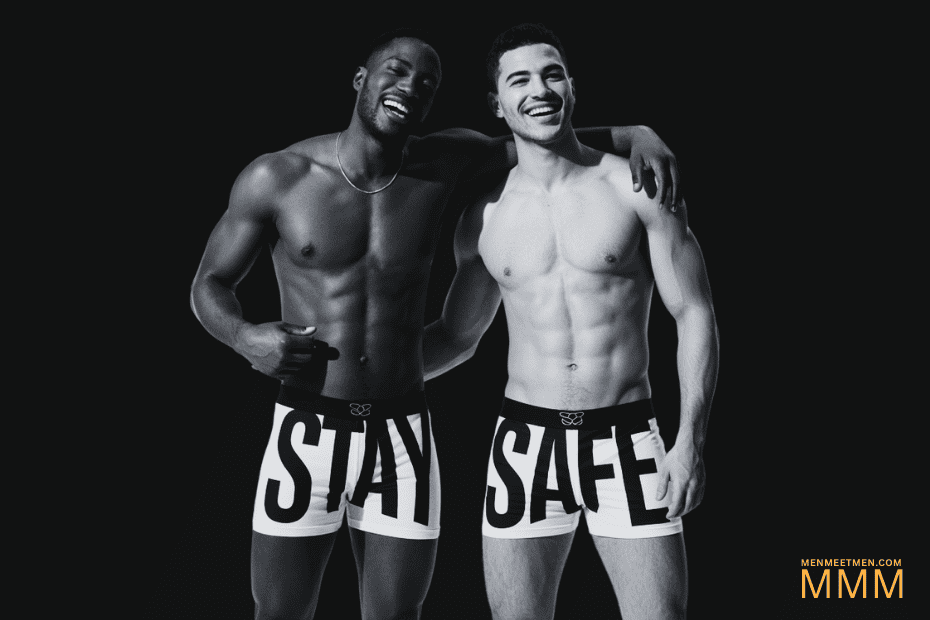
For men who are curious but perhaps hesitant to fully dive into certain scenes or types of encounters, PrEP can be the bridge. It can provide the necessary baseline of security to move from fantasy to reality. It allows for experimentation, for pushing personal boundaries (within the confines of consent, always), for discovering new facets of one’s sexuality without the looming threat of a life-altering infection. It empowers the curious to explore, the bold to push further, and the sexually literate to navigate complex landscapes with confidence.
Accessing PrEP has become increasingly straightforward in the UK, available through NHS sexual health clinics or via online services.1 It’s no longer some niche, hard-to-get medication. It’s a widely recognised and available preventative measure, part of the modern toolkit for sexually active MSM. Knowing how to access it, understanding the need for regular check-ups and testing – this is all part of being ‘in the know’ in today’s casual sex scene. It’s not just about the pill; it’s about the ecosystem of care and awareness that surrounds it.
Ultimately, PrEP is more than just a medical intervention. It’s a cultural phenomenon that has profoundly impacted how men who are into men approach sex, desire, and risk. It has opened doors that were previously guarded by fear. It has allowed for a deeper, less inhibited exploration of the vast and varied landscape of male-male intimacy, from the most anonymous encounters in public spaces to the most intense and vulnerable connections behind closed doors. It allows for surrender without foolishness, boldness without recklessness, and desire without the constant hum of anxiety. It’s a key to unlocking a more confident, more liberated sexual self, inviting men to step fully into the light of their own desires, armed with knowledge and protected by science. It’s about experiencing the thrill, feeling the connection, and knowing that you’ve taken proactive steps to own your pleasure and your health in equal measure.